

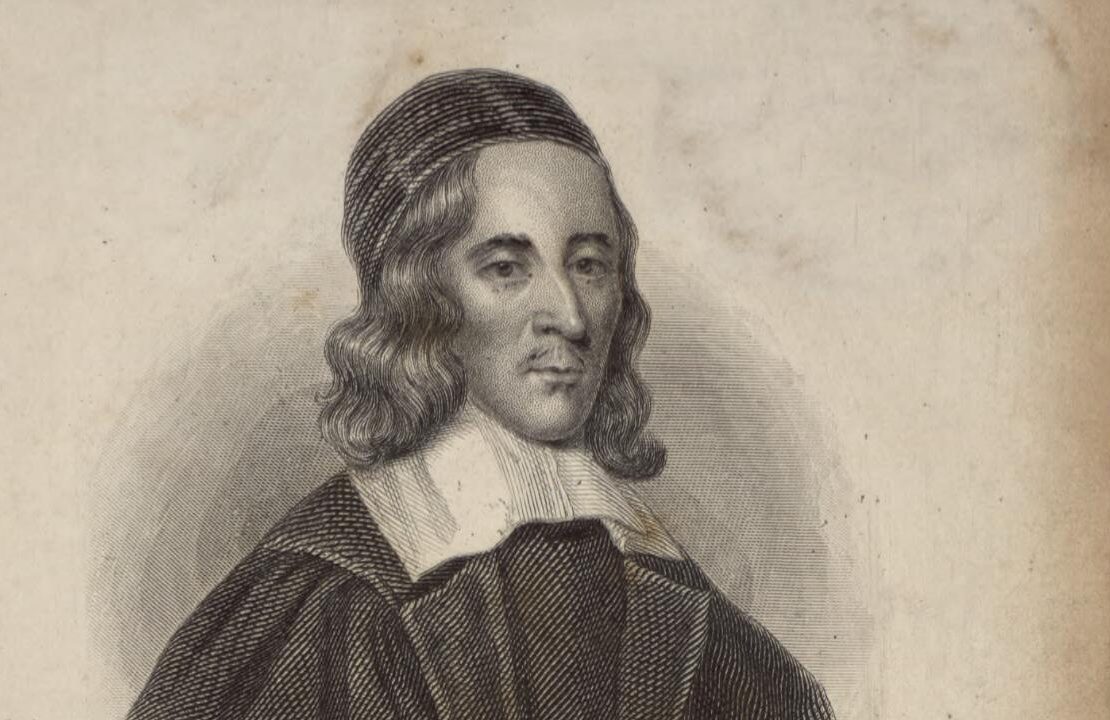
Mystical Poets, session 4: George Herbert
Living in Bemerton (just outside Salisbury), George Herbert is among the most celebrated English metaphysical poets. He is also often considered a significant figure in early Protestant retrievals and expressions of the mystical dimensions of Christian theology and spirituality. In this webinar, The Revd Canon Dr Mark Pryce will explore the life and context of Herbert, and how his poetry allows his mysticism and spirituality to come to the fore. We will then consider how and why Herbert’s is an important voice for us today.
About the tutor
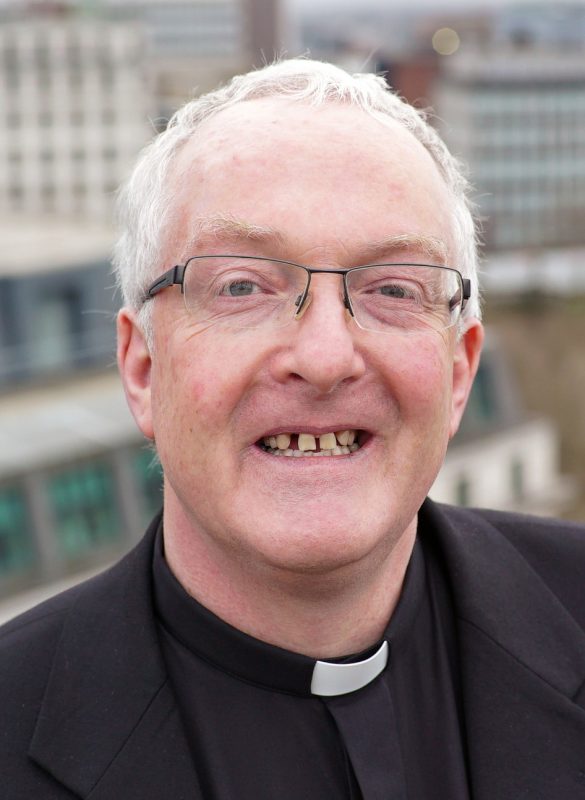
The Revd Canon Dr Mark Pryce is an Anglican priest, poet and practical theologian as well as Chaplain to The King. Mark is a member of the ecumenical poet-theologian group The Diviners. His publications include: Literary Companion to The Lectionary (SPCK/Fortress 2001), Literary Companion for Festivals (SPCK/Fortress 2003), Making Nothing Happen: Five Poets explore faith and spirituality (D’Costa et al, Routledge 2014), Poetry, Practical Theology & Reflective Practice (Routledge 2019), and the entry for ‘R S Thomas’ in the forthcoming British Anglican Spiritual Writers in the Twentieth Century.
About the Series
Sarum College and the Church Times are jointly hosting a series of five webinars on the theme of ‘Mystical Poets’.
A frequent topic of discussion when mystical writings are read or taught is: how does this relate to the great poets? Certainly there is much in common that can be noticed even in an initial reading of many mystics. But we also have to remember that many mystical writers explicitly used poetry as their form of writing. This is not new to Christianity and we can think particularly about the Psalms or the Song of Songs and the way they influenced theology and particularly mysticism. Many scholars such as Michel de Certeau, Alexander Hampton and Kris Trujillo have particularly emphasised that when we consider how poetry functions and the linguistic strategies of mystical writers (who use language to point towards that which cannot be contained or described by language) a range of further questions and ways of reading both poetry and mystical texts emerge. This concerns not only the theological meaning that find structure in the rhythms of poetry (or song) but also the transformative and performative impact such language can have on the reader or the listener. It is when we dive deeply into this intersection of the poetic and the mystical that we can learn more about the Christian spiritual tradition and the writers who chose to utilise this style.
This series will look at five major poets who can be described as mystics, working from the 13th to the 20th century. Each session will be led by an expert on the figure and will contain a 50-minute introductory lecture to the life, mystical poetry and continued importance of the mystic, followed by a 30-minute Q&A session.
Each webinar will take place on Monday evenings, 7:30-9 PM (UK time) via Zoom. The five sessions are:
1. Monday 25th January: Hadewijch, with Lydia Shahan
2. Monday 22nd February: Dante, with Mark Vernon
3. Monday 22nd March: John of the Cross, with Edward Howells (and Colin Thompson)
4. Monday 26th April: George Herbert, with Mark Pryce
5. Monday 24th May: Audre Lorde, with Beth Dodd and Jarel Robinson-Brown
If you would like a discounted series ticket for all five sessions click here
Recordings of the lecture and Q&A session will be made available for 30 days after the webinars exclusively to those who have signed up to attend.
An online page turner of the latest edition of the Church Times will be made available to attendees, and the Church House bookshop will make available a dedicated list of books for each webinar at discounted prices.


